 Call us now:

Building Depth and Realism Through Advanced Shading Techniques
Shading is the core of portrait embroidery. Without it, a stitched face remains flat and expressionless. With it, a portrait gains structure, dimension, and emotional presence. For students learning at PortraitStitch, mastering shading becomes a pivotal moment—one where their work shifts from simple stitching to lifelike artistry. The process requires patience, observation, and deliberate technique, but the results create the unmistakable impression of a real face emerging from the fabric.
Studying Light With Intention
Before thread touches the canvas, students learn to observe how light interacts with the human face. This understanding shapes every shading decision.
Important aspects include:
- Highlight placement on cheekbones, forehead, and nose bridge
- Shadow depth around jawlines, eye sockets, and hairlines
- Soft transitions that convey natural gradients
- Contrast balance between illuminated and shaded regions
The more accurately light is interpreted, the more convincing the final portrait becomes. This analytical step sharpens artistic perception and builds a foundation for advanced technique.
Techniques That Create Natural Gradients
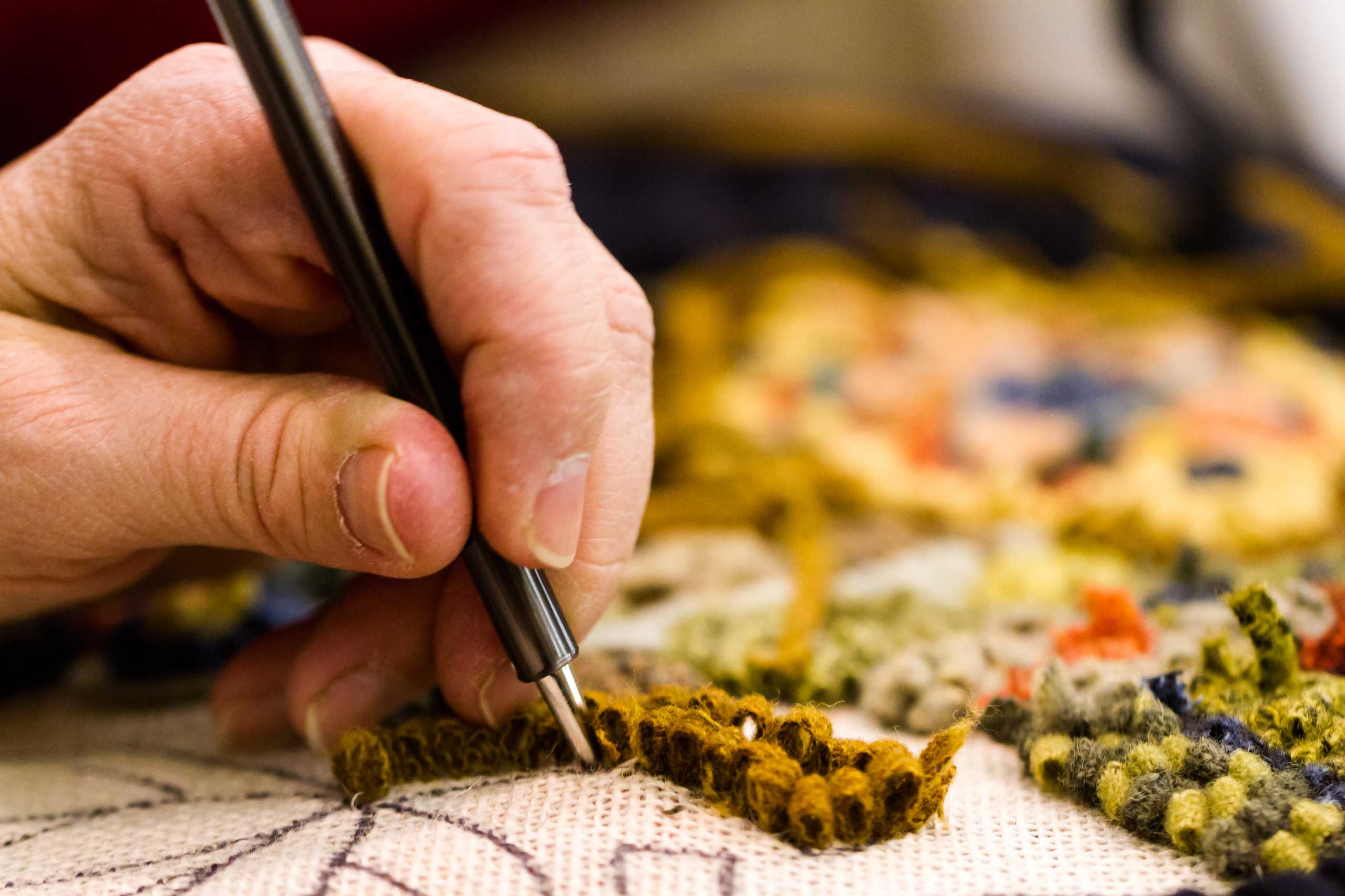
Realistic shading in embroidery relies heavily on the direction, density, and layering of stitches. Each technique contributes its own visual quality.
Students practice:
- Long-and-short stitch blending to smooth color transitions
- Thread layering to create subtle tonal shifts
- Angle variation for rounded facial contours
- Selective density changes to deepen shadows without harsh edges
By combining these methods, even small portraits gain depth, warmth, and expressive complexity.
Choosing Colors With Purpose
Color selection plays a significant role in shading. Too much contrast results in a harsh, unrealistic look; too little leads to a flattened appearance. PortraitStitch students learn how to build palettes that merge seamlessly across the face.
Effective shading palettes often rely on:
- Warm and cool transitions within the same skin tone
- Secondary colors to enrich shadow regions
- Neutral threads for soft blending
- Slight tonal shifts to enhance realism
Color becomes a tool not just for representation, but for interpreting the character of the person being portrayed.
Elevating Technique Through Practice
Shading is not a skill gained in a single lesson—it develops through repeated exploration. Each portrait presents new challenges: different lighting, varied bone structures, unique expressions. Students gradually learn to adapt their techniques to match these factors, expanding their versatility.
With ongoing practice, shading becomes intuitive. Thread choices, stitch direction, and gradient transitions happen with confidence and precision. It is in this stage that portraits begin to feel alive, rich with depth and emotion.